
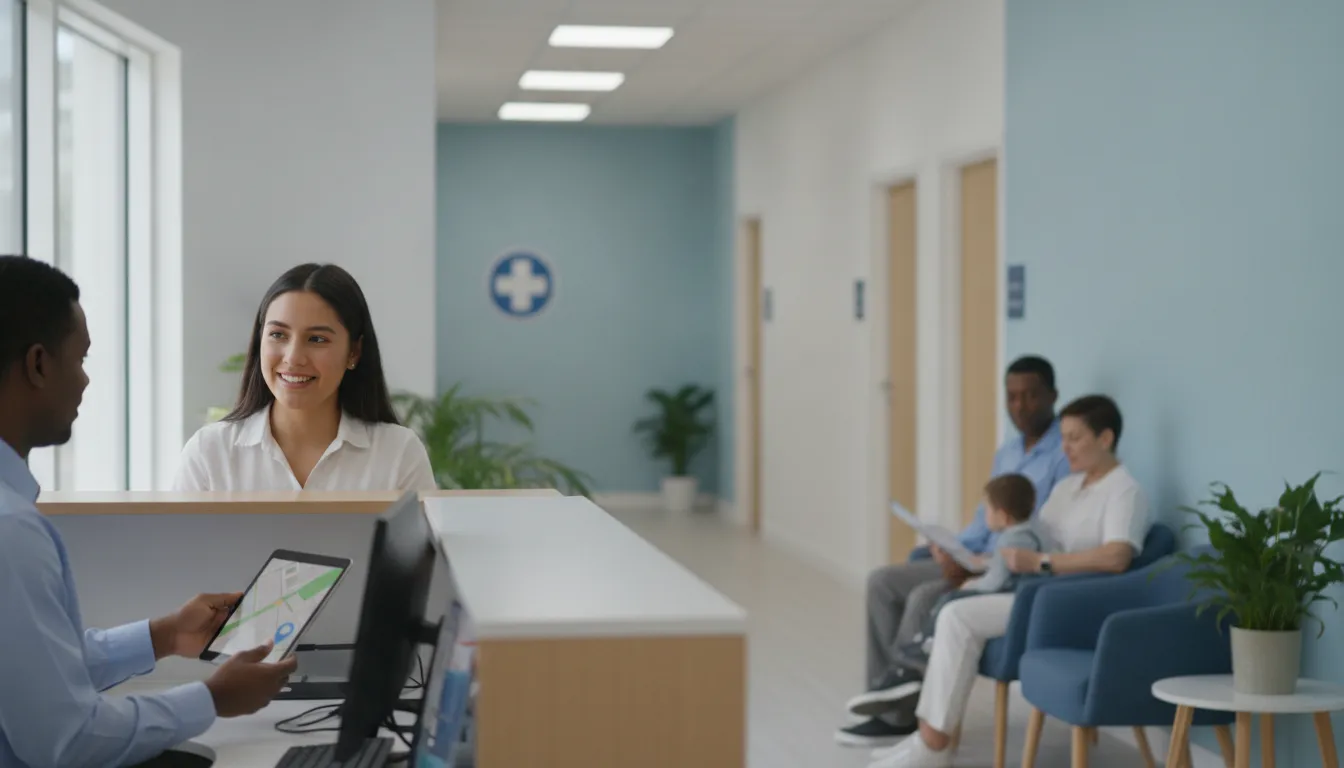
Summary: To find low-cost clinics without insurance, focus on community health centers and free clinics that offer sliding fee scales based on income. Use tools like the HRSA Find a Health Center to locate federally qualified health centers, which provide comprehensive services regardless of ability to pay. Additionally, explore local health departments and retail clinics for affordable preventative care and minor medical needs.
Every year, millions of Americans run into this problem. Care gets expensive fast when there’s no insurance card in your wallet. Federally qualified health centers alone reported serving 52 million patients each year, and many of those patients were low-income and uninsured, according to National Association of Community Health Centers data cited by KFF Health News in 2026. If you need treatment soon, or the appointment can’t wait, low-cost clinics can be hard to track down. They do exist. Most of them set prices with sliding fee scales, so the bill moves with household income and family size. Stick with these community providers, and you can often get primary care, dental work, and preventive screenings without the heavy charges that private out-of-network care can bring.
Key Takeaways
- Start with community health centers: Federally Qualified Health Centers, or FQHCs, must treat patients regardless of ability to pay, and they offer sliding fee discounts tied to income.
- Use dedicated search tools: Find affordable clinics with the federal HRSA Find a Health Center tool or the National Association of Free & Charitable Clinics search engine.
- Bring your financial papers: Fees depend on income and family size, so bring recent pay stubs or tax records to your first visit if you want the lowest rate.
- Look for special programs: State health departments and programs like the National Breast and Cervical Cancer Early Detection Program can provide free or low-cost screenings.
- Check non-profit charitable clinics: Independent free clinics often run on volunteers, and they may charge nothing or only a small fee, though some limit who can use them based on local residency.
At a Glance
| Clinic Type | Who It Suits | Cost Structure | Best For |
|---|---|---|---|
| FQHCs | General public/Underserved | Sliding scale (required) | Primary/Preventative care |
| Free Clinics | Low-income/Uninsured | Free or nominal fee | Basic/Essential services |
| Health Depts | Residents in service area | Free/low-cost services | Vaccinations/Testing |
| Retailers | Non-emergency needs | Fixed low prices | Generic prescriptions |
How can I find a federally qualified health center near me?
You can find a federally qualified health center, or FQHC, near you with the official locator from the Health Resources and Services Administration, at findahealthcenter.hrsa.gov. Search by city, state, or ZIP code, and the tool will show community-based centers that get federal grant money so they can offer affordable care. FQHCs are one of the best bets for uninsured patients because the law requires them to provide broad services to everyone, no matter their ability to pay. When you call a center you found through the HRSA tool, ask about the sliding fee discount program right away. These centers receive federal support to serve underserved areas, so they are set up to cut money barriers. You can also browse our specialty directory to see whether local facilities cover the specific care you need.
What is a sliding fee scale and how do I qualify?
A sliding fee scale changes your bill for care. Two things decide it: household income and family size.
By law, federally qualified health centers must offer it. People with lower incomes can pay far less for the same visit. As noted in 2026, the discount you receive follows your income against the Federal Poverty Guidelines. Bring proof when you apply. Recent pay stubs, W-2 forms, or a tax return usually work, and the billing staff uses those papers to slot you into a discount tier. Families with very low income may end up paying a reduced price, or nothing at all.
Want to check whether your local clinic follows standard ad rules? Use our Free Clinic Ad Compliance Checker.
Are free or charitable clinics a safe alternative?
Yes. Free and charitable clinics are legitimate healthcare sites, usually organized as 501(c)(3) nonprofits or affiliates, and they provide medical, dental, and behavioral health care for no charge or a small fee. Many rely on volunteers. That matters if you’re uninsured and have no employer plan to lean on.
FQHCs get federal Section 330 grants. These clinics stay open through donations and local backing. The buildings may look older than a private office, but you still see licensed doctors, nurses, or other trained clinicians. They do real work.
To find one near you, go to the National Association of Free & Charitable Clinics website and search by city or ZIP code. For a deeper look at provider quality, read our guide on navigating social media reviews for clinics.
Can I get care at my local health department?
Often, yes. Your local health department may offer low-cost or free vaccines, family planning, and screening for communicable diseases such as tuberculosis, COVID-19, or sexually transmitted infections. These public offices act as a backstop in many counties, and they help most with preventive needs that do not call for an ongoing primary care relationship.
Services change from county to county, so call your local office and ask what it offers now, plus any rules for eligibility. Some departments also take part in special programs, including the Centers for Disease Control and Prevention’s National Breast and Cervical Cancer Early Detection Program, which gives essential screenings at no cost to qualifying low-income women.
If you need help handling patient communication for your own search, you can use our Free Patient Review Request Kit.
What should I do for prescriptions and specialty care?
For medication or specialty treatment, start with retail discount programs and clinic referrals instead of paying the full sticker price. Big retailers like Walmart and Costco, plus services such as Cost Plus Drug Company, sell generic versions of common drugs at prices that often beat insured co-pays.
Need specialty care? Begin with a community health center. Many FQHCs focus on primary care, yet they also keep referral links to specialists who will work with sliding fee or charity care arrangements. Ask the clinic staff whether they already have partnerships or a financial aid program for referrals. That can spare you surprise bills.
You can also browse clinics by city location to find providers in your region who may be better set up to help with these referrals.
How do retail clinics fit into low-cost healthcare options?
Retail clinics live inside pharmacies and big-box stores. That location counts. They give uninsured patients a cheaper stop for basic care, especially when the issue is small and speed matters more than a full diagnostic slog. You can get vaccinations, school or work physicals, and care for minor injuries or short illnesses at a fixed price. They won't replace FQHCs or free clinics. Fine. For a sore throat, a twisted ankle, or a flu shot, they can be the fastest route. Most are staffed by nurse practitioners or physician assistants, so the visit often feels less like a hospital detour. Before you go, check whether the clinic has a discount plan or partners with a local health department, because those arrangements can shave the bill down further.
Conclusion
For an uninsured patient, cheap care usually starts on the safety-net side of medicine. Begin with Federally Qualified Health Centers, since they have to use sliding fees, then look at community nonprofits that keep their doors open for charitable reasons. The federal HRSA tool and the National Association of Free & Charitable Clinics locator can both help you assemble a list of nearby low-cost sites. After that, call the clinic. Ask about sliding fee rules. Ask which papers they want you to bring. Bring those papers. A little prep helps here. Use Clincy to help organize your search for reliable care providers today.
Frequently Asked Questions
Will I be turned away if I cannot pay for my visit?
No. Federally qualified health centers cannot refuse service just because you cannot pay. They must keep a sliding fee schedule, so your charge can shift with your income. Free clinics can have eligibility rules, but their purpose stays the same, care for people who have no money for the usual bill.
Do I need to bring proof of income to the clinic?
Yes, bring proof of income to the first visit. Pay stubs work. Recent tax returns work too. The clinic uses those papers to set your sliding fee discount, and without them you may get billed at the regular rate instead of the lower one.
Can I find specialty care at these low-cost clinics?
Most community clinics focus on primary care. Still, many keep referral lists that point you toward specialty services. If you need dermatology, cardiology, or something similar, ask the front desk or intake staff how referrals work and whether any specialist partners accept discounted visits for uninsured patients.
Are these clinics just as good as private practices?
Yes, the staff are licensed professionals, including doctors and nurse practitioners. The buildings may look plainer than private offices, and the wait can change from day to day. Care quality stays professional. For people without insurance, these clinics are a safe and dependable option.
Related reading
- Navigating Social Media Reviews for Clinics
- Top 10 Clinics by Location: A 2026 Comprehensive Guide
- Nidus Biomedical: Automated Solutions for Clinics
- Can Doctors Delete Bad Reviews? 2026 Guide for Practices

